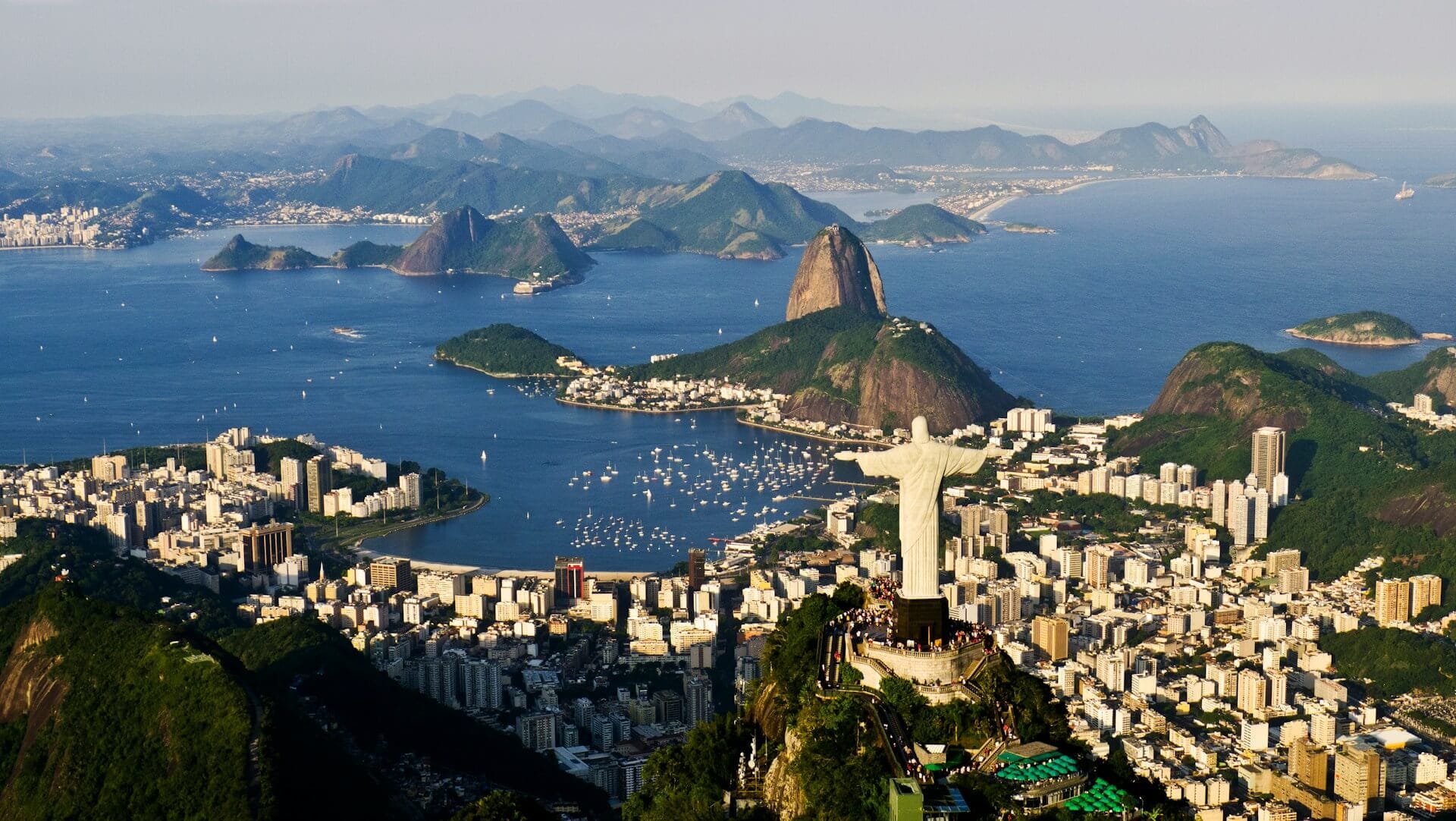
With its stunning beaches that define the city’s postcard image, Rio de Janeiro stands out as a unique destination where the ocean blends with the urban and natural landscapes.
The city has a variety of beaches, from busy tourist spots to quiet, hidden ones. Each beach offers something different for visitors.
Below, explore the 18 best beaches in Rio de Janeiro, organized by region and proximity. This list is not ranked, as each beach has its own unique charm and distinct features.
My tip:
- Best beaches for surfing: Prainha, Grumari, Macumba, Recreio, Barra da Tijuca, Joatinga, Arpoador
- Most vibrant beaches: Copacabana, Ipanema, Leblon, Arpoador, São Conrado, Barra da Tijuca (some parts)
- Nature-focused beaches: Prainha, Grumari, Reserva, Abricó, Joatinga
- Urban beaches: Copacabana, Ipanema, Leblon, Leme, Botafogo, Flamengo, Barra da Tijuca
- LGBT-friendly beaches: Ipanema (Postos 8 and 9), Pepê Beach (Barra da Tijuca), Abricó
- Nudist beach: Abricó
- Beaches not suitable for swimming: Botafogo and Flamengo
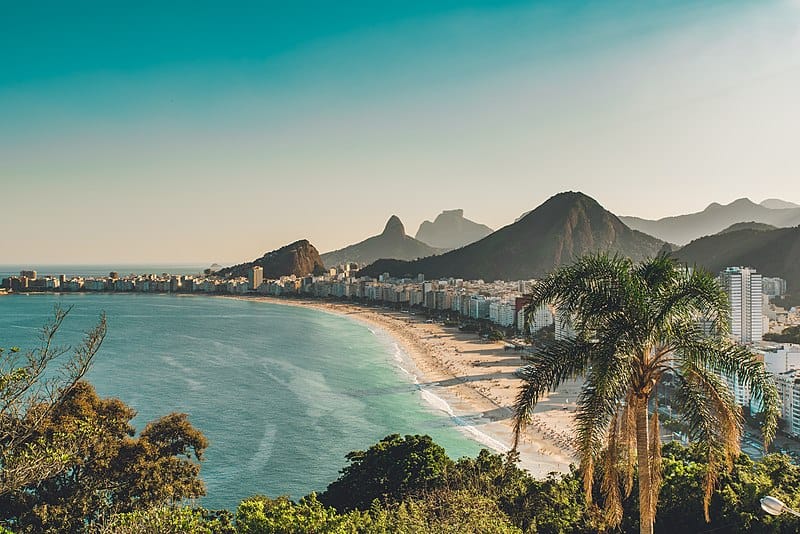
Copacabana Beach is one of Rio de Janeiro’s most iconic landmarks and one of the most famous beaches in the world. With its signature black-and-white Portuguese stone promenade, It’s a place that will amaze you the first time you walk along it.
Stretching 4.5 kilometers, it’s divided into sections marked by lifeguard posts (from 2 to 6), each with its own charm and unique vibe.
The infrastructure is excellent, with bike lanes, shared bike and scooter stations, and easy access via public transportation, taxis, and Uber, meaning there’s no need for a car.
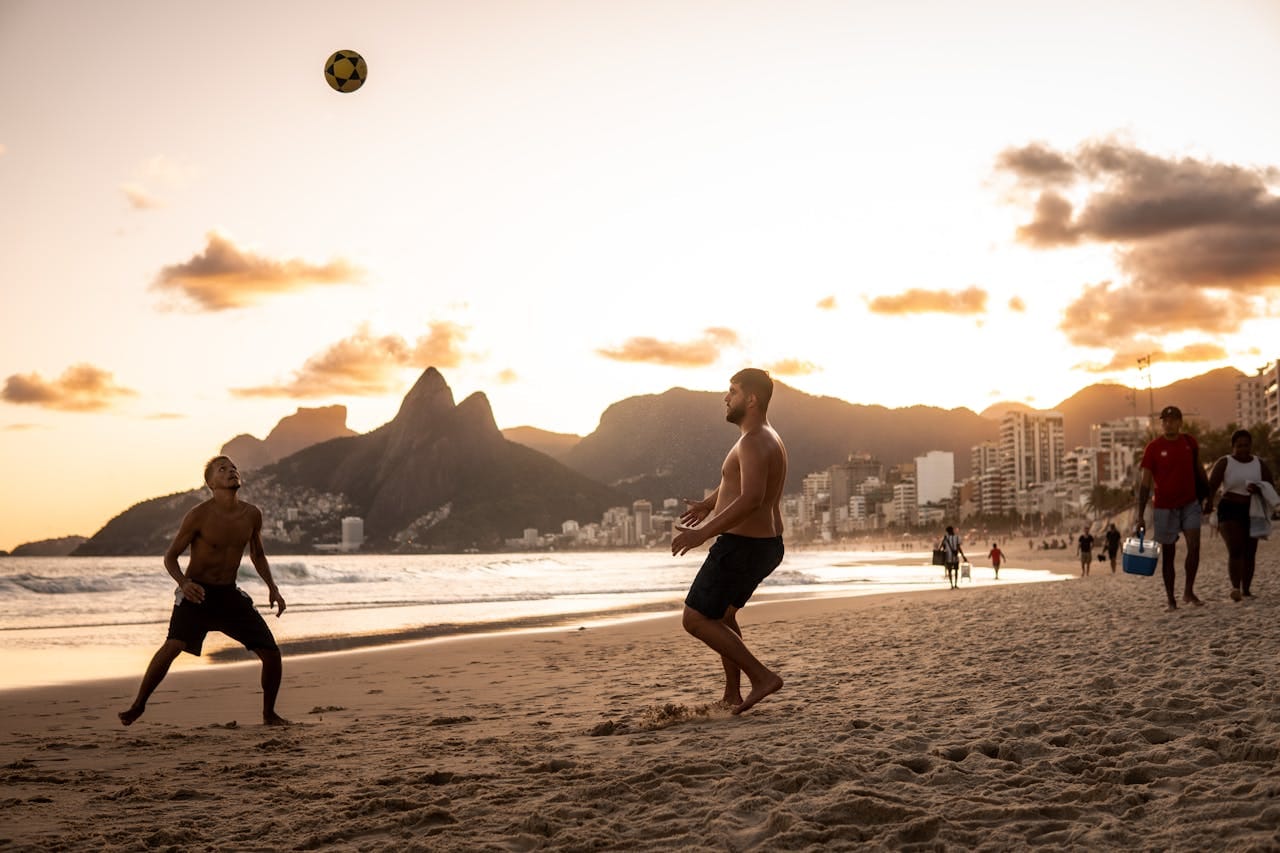
Beyond its natural beauty, Copacabana is one of the best places to experience Carioca culture. Locals play volleyball and soccer on the sand, while kiosks, bars, and street vendors serve snacks, traditional dishes, and the classic caipirinha.
The beach is ideal for walking, sports, or simply relaxing by the water. Day and night, it’s alive with energy, hosting parties and events regularly. The surrounding neighborhood enhances the experience, offering a wide range of restaurants, bars, and hotels.
Copacabana is a must-visit destination, combining beauty, energy, and amenities—an essential stop for anyone visiting the Marvelous City.
2. Ipanema Beach

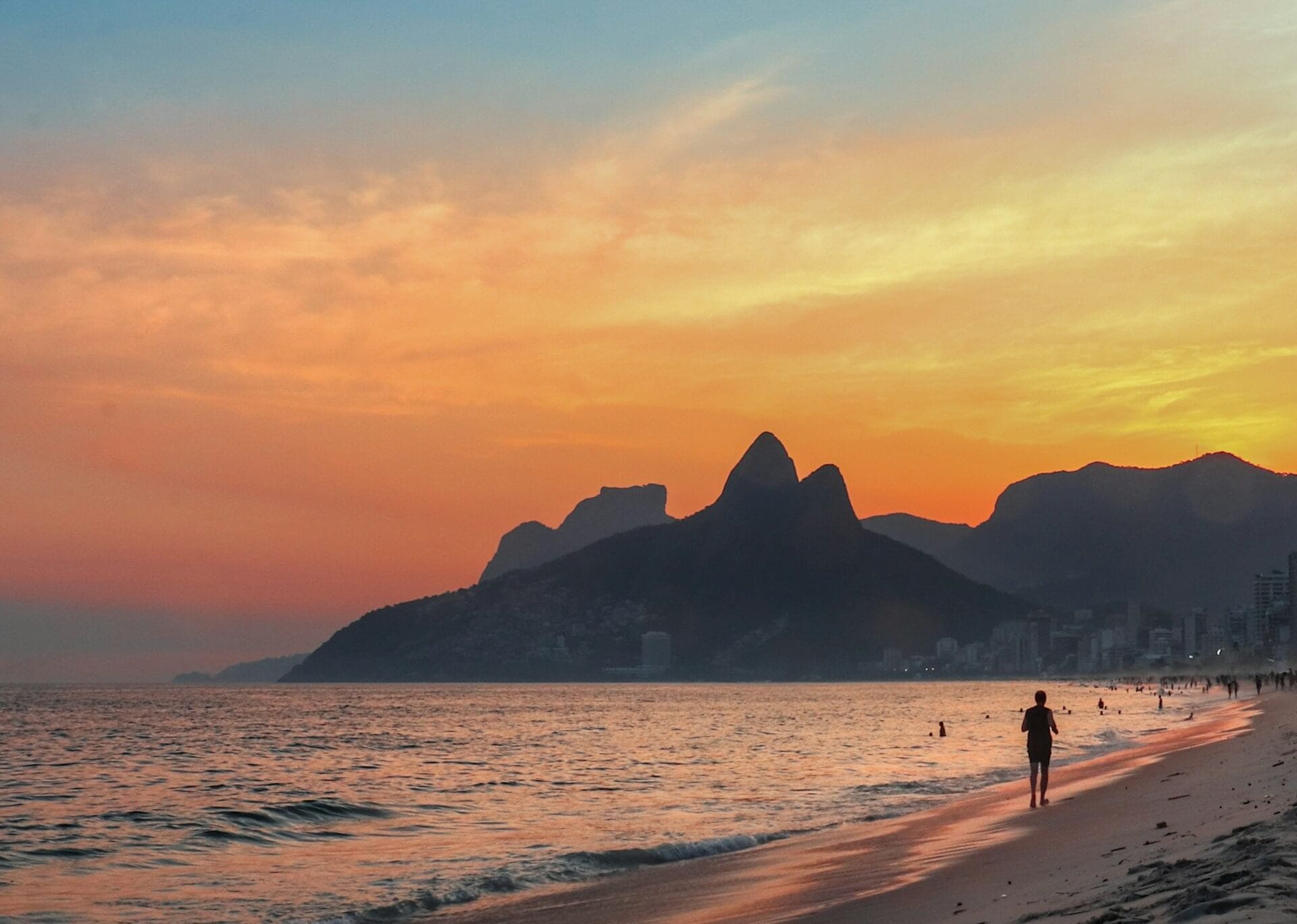
Ipanema Beach, located next to the more famous Copacabana but with a more sophisticated vibe, is known for its charm, elegance, and relaxed atmosphere. Popular among both locals and tourists, it’s one of the city’s hotspots, especially famous for its sunsets.
Stretching 2 kilometers, Ipanema offers views of the Morro Dois Irmãos and boasts excellent infrastructure, similar to Copacabana. Visitors can find kiosks, bike lanes, shared bike stations, and rentals for chairs and umbrellas, making it easy to enjoy a day at the beach.
The beach is divided into sections by lifeguard posts 8, 9, and 10, each with its own vibe. Posto 9 is the most iconic, drawing young crowds, celebrities, and those looking for a trendy, lively atmosphere.
Posto 8, also known as Farme Gay, is celebrated for its diversity and is recognized as the most famous LGBTQ+ beach in Brazil. Posto 10, on the other hand, is quieter, ideal for those seeking a more laid-back experience.
With generally strong waves, Ipanema is great for sunbathing, sports, and walks along the shore, though swimmers should be cautious.
Combining beauty, inclusivity, and top-notch amenities, Ipanema remains a favorite among both Cariocas and visitors from around the world.
Sign up Now for the Best Travel Tips exploring Brazil!
Get expert travel tips, detailed itineraries, and insider recommendations for your trip.
3. Leblon Beach
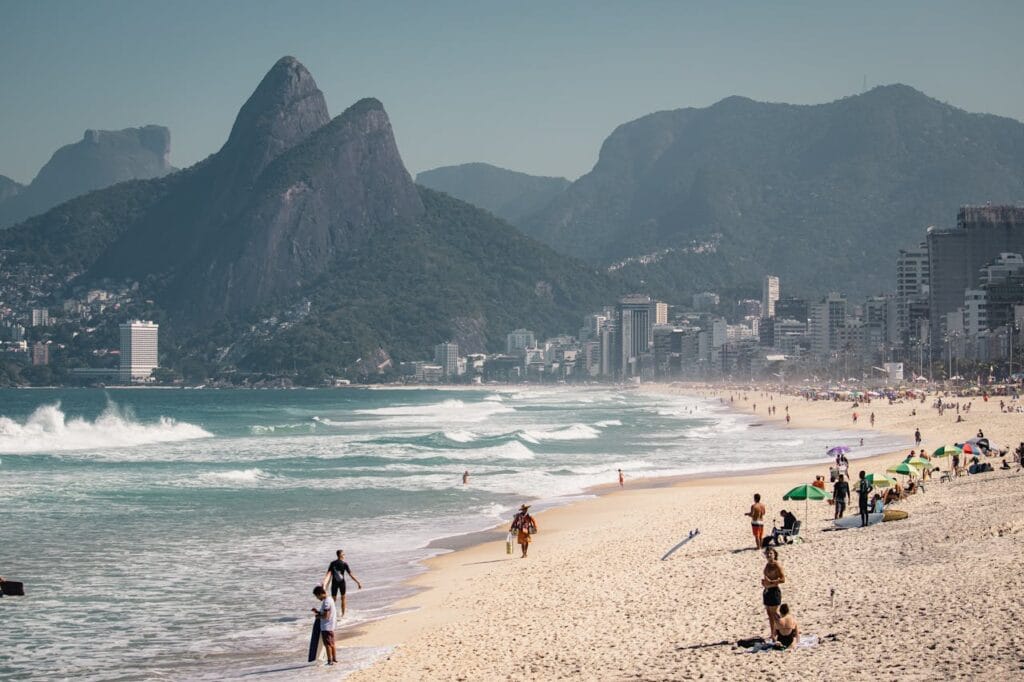
Leblon is a quieter and more sophisticated extension of Ipanema, stretching just over 1 km with a narrower strip of sand. It’s perfect for activities like volleyball and beach soccer, as well as surfing, especially at the far end of the beach.
Popular with locals and high-end tourists, Leblon is located in one of the most expensive neighborhoods in Brazil, known for its exclusive and elegant atmosphere.
One of its highlights is the Mirante do Leblon (Leblon Lookout), a scenic lookout offering panoramic views of the coastline, including the beaches of Leblon and Ipanema, with the Pedra do Arpoador in the distance. It’s an ideal spot to watch the sunset or simply relax.
Leblon boasts excellent infrastructure, with well-equipped kiosks, nearby restaurants, and accommodations, as well as options for renting chairs and umbrellas.
During the week, the beach is more peaceful, attracting middle-class youth and families. Accessible by foot, bike, metro, Uber, or taxi, it’s a great choice for those looking for an upscale seaside getaway.
4. Arpoador Beach

Arpoador Beach, located between Copacabana and Ipanema, is renowned for its sunsets and its historical significance in Brazilian surfing. It was here that the sport began to gain popularity in the country, and the beach has even hosted stages of the World Surf League.
As a traditional spot, it often gets crowded, but one major advantage is the public lighting, which allows surfing at night. Small and charming, the beach draws surfers with its waves, which start breaking near the rocks and can reach up to 2.5 meters on good days.
While the currents in the area can be strong, the location remains a favorite for sports enthusiasts, with surfboard rentals available at local kiosks.
Unlike most beaches in Rio’s South Zone, Arpoador doesn’t have a busy avenue running along its edge. Instead, it has a quiet promenade with benches, offering a relaxed and unique vibe.
The sandy stretch is narrow, but during the summer, the water can turn crystal clear and calm, almost resembling a Caribbean paradise. In winter, the waves grow stronger, delighting surfers.
At the end of the promenade, the iconic Pedra do Arpoador (Arpoador Rock) stands out as one of the main attractions. It offers views of the beach and serves as a natural stage for Rio’s most famous sunset.
At this time, locals and tourists gather on the rocks to watch the sunset, applauding the beauty of nature in a touching tradition.
5. Leme Beach
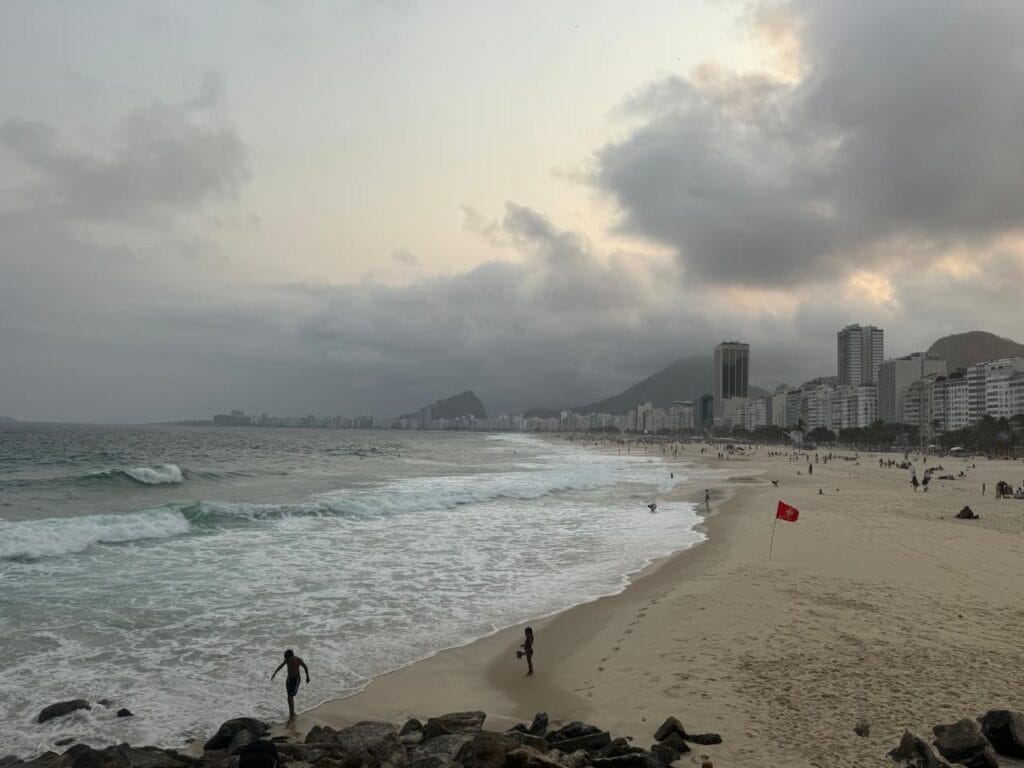
Leme Beach, located at the far left of Copacabana, is a quieter, more welcoming option, perfect for families and those seeking a peaceful atmosphere. Stretching 1.5 km, its ideal for swimming, relaxing, or enjoying water sports.
The beachfront is lined with stalls offering snacks, drinks, chairs, and umbrellas, ensuring visitors have a comfortable experience.
The highlight of Leme Beach is the Pedra do Leme (Leme Rock), a natural viewpoint that divides the beach into two sections and offers spectacular views of the coastline, Sugarloaf Mountain, and the sunset.
For the adventurous, a 25-minute trail leads to Forte do Leme at the top of the hill, offering incredible views.
At the base of the Pedra, the Caminho dos Pescadores (Fishermen’s Path) is a charming spot for fishing or enjoying the view from laid-back bars like Mureta do Leme.
6. Praia do Diabo (Devil’s Beach)
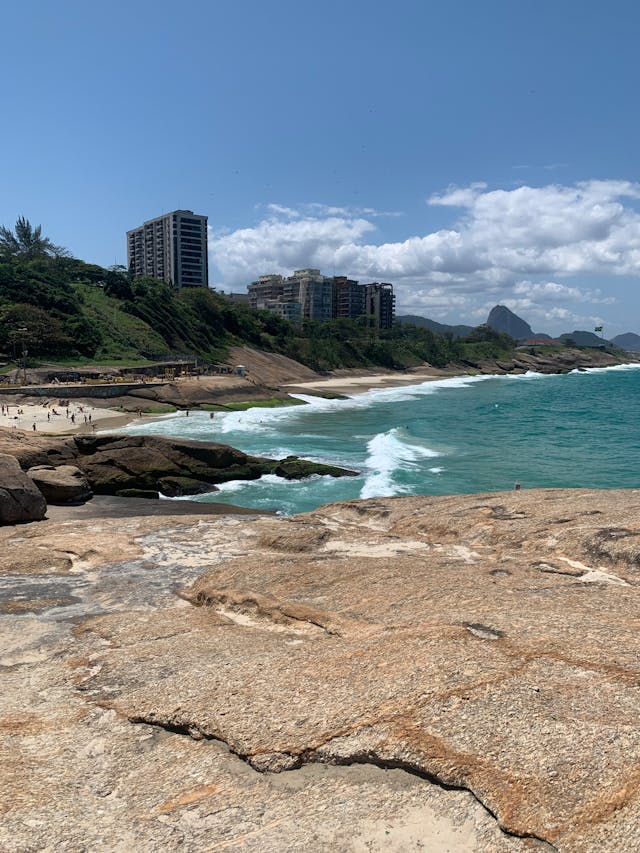
Praia do Diabo, located between Arpoador and Copacabana, is a small and less crowded beach, perfect for those seeking tranquility. With less than 70 meters of shoreline, it stands out for its surrounding rocks and vegetation.
The beach gets its name from its rough waters and strong waves, which can make it challenging and unpredictable.
While part of the beach is in a restricted military area, the public section attracts visitors. The strong waves make it popular with surfers but less suitable for swimming.
Pay attention to safety signs and avoid the water when conditions are hazardous.
Surrounded by palm trees and close to Garota de Ipanema Park, Praia do Diabo is a peaceful retreat.
7. Praia Vermelha (Red Beach)
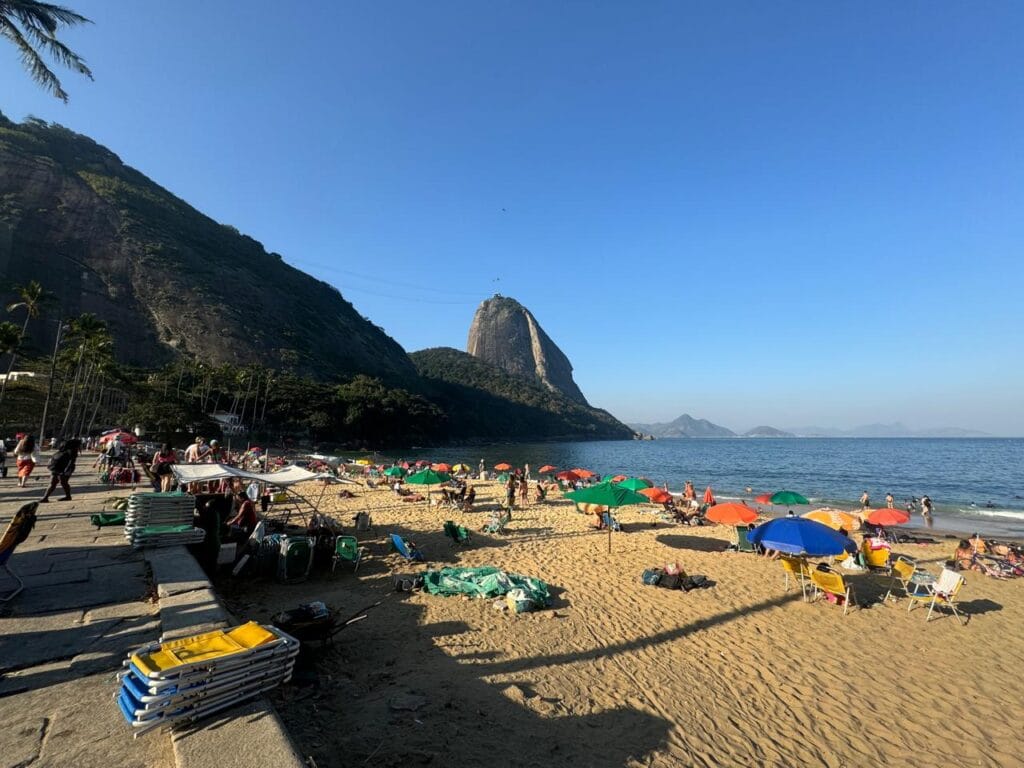
Praia Vermelha, located at the foot of Sugarloaf Mountain and near Botafogo Beach, is a peaceful retreat in the Urca neighborhood, with a small stretch of sand.
Its calm waters are ideal for stand-up paddleboarding and kayaking, making it a great spot for those looking to relax or enjoy water sports.
Despite its charm and welcoming atmosphere, the beach can get crowded, especially on weekends, so visiting during the week is often more pleasant.
Its proximity to the Sugarloaf cable car makes it easy to combine a beach visit with this tourist attraction, drawing many visitors.
Situated in a military area, the beach benefits from extra security, but caution is advised when entering the water, as it gets deep quickly.
The surrounding kiosks provide good amenities, though there are no beachside stalls, so many visitors bring their own chairs and umbrellas. There are also fewer street vendors compared to other famous Rio beaches.
For adventurers, a trail to Morro da Urca offers incredible views of the beach and its surroundings.
8. Botafogo Beach
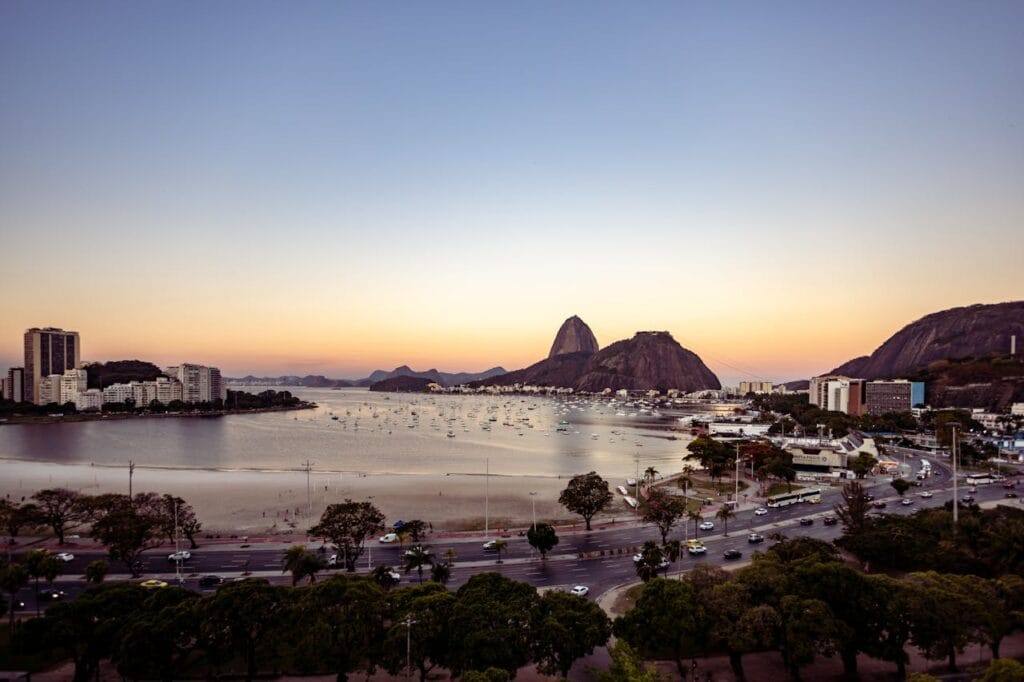
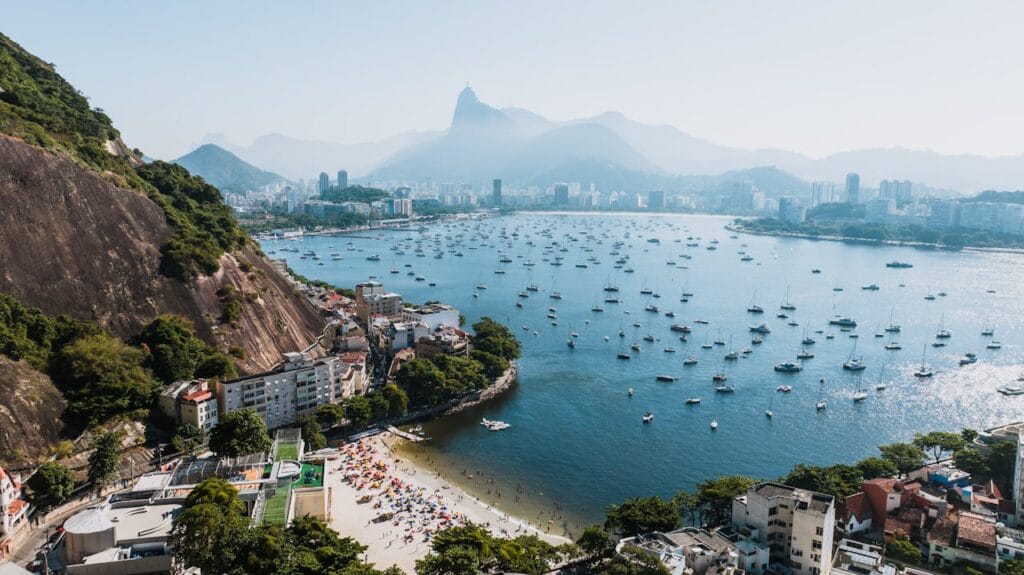
Botafogo Beach, located in Rio de Janeiro’s South Zone, is renowned for its views of Sugarloaf Mountain and Christ the Redeemer.
With the charm of Guanabara Bay and anchored boats, the beach is more appreciated for its scenery than for swimming, as the water quality isn’t ideal.
The Botafogo cove is surrounded by attractions like the Rio de Janeiro Yacht Club and features excellent infrastructure for outdoor activities. The boardwalk and bike path are ideal for walking, running, and cycling.
It’s also a great spot for picnics, sunbathing on the sand, or simply admiring the view, which includes the Sugarloaf cable cars, Christ the Redeemer, and the boats dotting the bay.
While it’s beautiful during the day, visitors should take care with safety at night.
9. Flamengo Beach

Flamengo Beach, close to Botafogo Beach, is a quiet spot that combines natural beauty with easy access to downtown Rio.
Stretching 1.4 km, the beach is seamlessly connected to Flamengo Park, a vast green space that acts as a boundary between the coastline and the main avenue.
The park is ideal for walking, cycling, and outdoor sports, with skate tracks, running paths, and fitness equipment available.
While the calm waters are mostly unsuitable for swimming, they’re great for activities like stand-up paddleboarding. The beach is also popular for sand sports like footvolley and beach tennis, with training tents set up along the shore.
At night, the beach remains active thanks to its lighting, attracting athletes and fitness enthusiasts, though it’s wise to be cautious about safety after dark. Informal stalls along the beach sell drinks, sandwiches, and snacks.
Although its infrastructure is simpler compared to Copacabana or Ipanema, Flamengo Beach is tranquil, family-friendly, and ideal for enjoying nature.
It also boasts a view of Sugarloaf Mountain and the planes taking off from Santos Dumont Airport, making it a favorite for relaxing outings.
10. São Conrado Beach
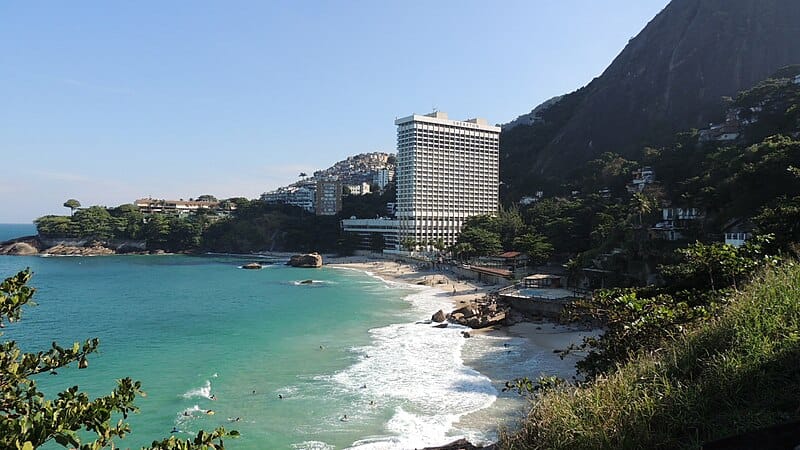
São Conrado Beach, surrounded by mountains, is the landing point for hang gliders and paragliders taking off from Pedra da Gávea.
With strong waves, it’s a hotspot for surfers but less popular among swimmers due to the variable water quality.
The beachfront, about 1 km long, features a promenade with well-structured kiosks and a few beachside restaurants. While it doesn’t offer the same level of infrastructure as Copacabana or Ipanema, it’s easily accessible, with easier parking and convenient access via Uber, taxi, or metro.
The neighborhood is known for its luxurious mansions and modern buildings, contrasting sharply with Rocinha, Brazil’s largest favela, located nearby.
For adventurers, Pedra da Gávea—the world’s largest coastal monolith—offers a challenging trail to its summit, giving hikers great views of São Conrado and its coastline.
11. Joatinga Beach
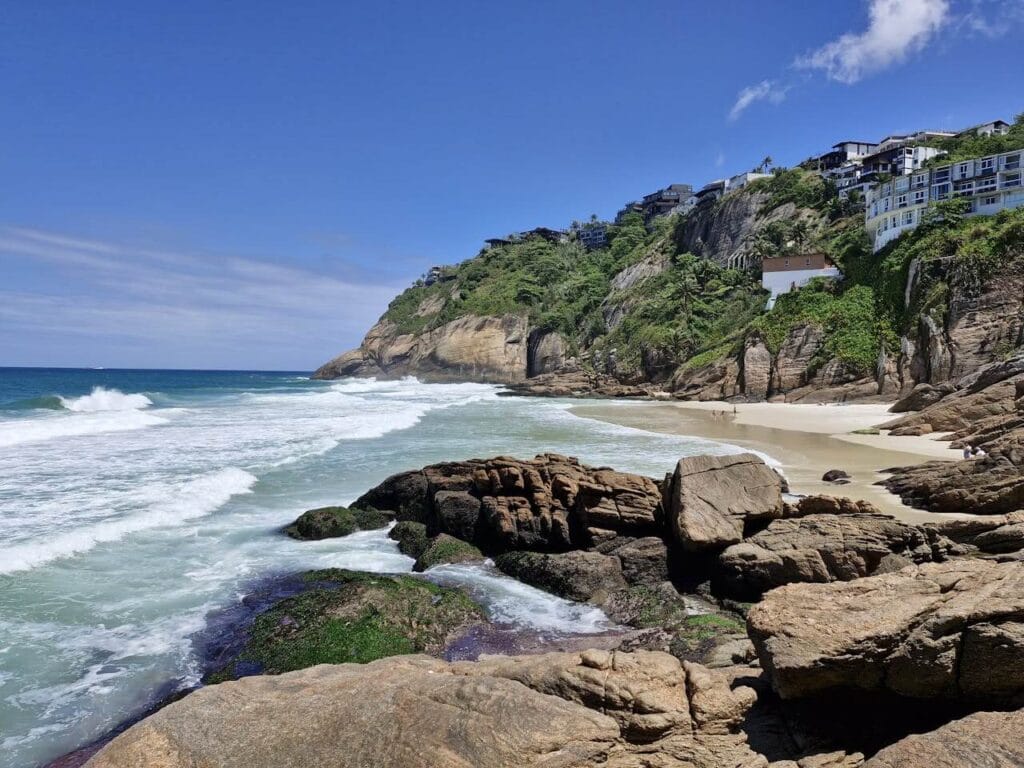
Joatinga Beach, located in the Joá neighborhood in Rio’s West Zone, is a hidden gem between São Conrado and Barra da Tijuca. Nestled within a gated community, the beach is open to the public, but its discreet entrance and lack of signage keep it a secret for many.
Small, with just 300 meters of sand, the beach nearly disappears during high tide, making it best to visit during low tide.
To access the beach, you’ll need to pass through the community’s entrance gate, where drivers are registered. From there, a short, paved trail leads to the rocks that provide access to the beach.
The path requires some care, especially for elderly visitors, children, and those with mobility challenges.
Joatinga is famous for its white sand, blue water, and strong waves, making it ideal for surfing and bodyboarding. On calmer days, it also offers peaceful spots for relaxation.
With minimal infrastructure, the beach features only a few seasonal vendors and small stalls that rent umbrellas, chairs, and sell drinks, mostly during the summer. Bringing your own food and beach gear is recommended.
The easiest way to get there is by car, but parking is very limited, so arriving early is essential. Alternatively, taxis, ride-hailing apps, and bus lines drop visitors at the entrance gate, from where it’s a 15-minute walk to the beach.
Joatinga attracts a mostly young crowd and offers a safe, exclusive atmosphere, perfect for those seeking a secluded beach experience.
12. Barra da Tijuca Beach
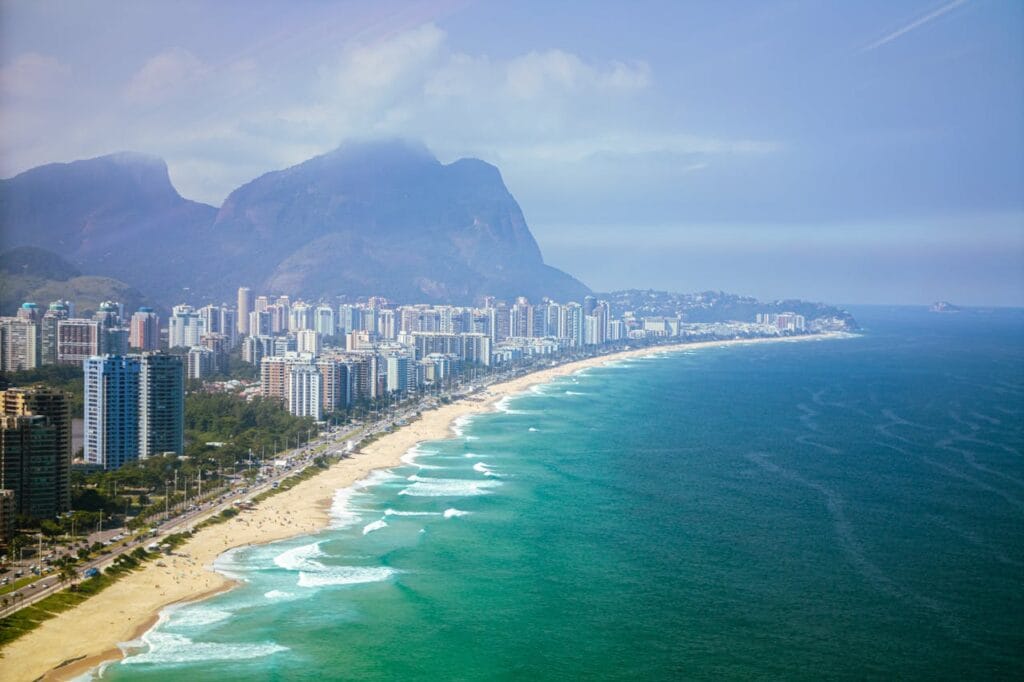
Barra da Tijuca Beach, the longest in Rio at 18 km, is great for sports and enjoying nature.
Highly popular among surfers, the beach offers excellent waves, ranging from 0.5 to 2.5 meters depending on the day, making it ideal for both beginners and experienced surfers.
With consistent conditions and favorable winds, it’s a regular venue for international competitions, including stages of the World Surf League. Surfing here is best when you explore the beach to find the perfect spot, though the entire stretch offers great conditions.
Located southwest of Copacabana and Ipanema, Barra combines its wide stretch of white sand with excellent infrastructure. The beachfront features over 50 kiosks, bars, and restaurants, along with an extensive bike lane, ideal for walking or cycling.
During the week, the vibe is laid-back, but on sunny weekends, the beach comes alive with locals and tourists enjoying activities like kitesurfing, beach soccer, and fishing.
On the left side, along Jardim Oceânico, lies the famous Pepê Beach, one of Barra’s most busiest spots. Known for attracting a young crowd, it’s a hub for sports like stand-up paddleboarding and kitesurfing.
Named after Pepê Lopes, a legendary Brazilian surfer, the area combines an energetic, sporty atmosphere with some of Rio’s most stylish beach lounges, perfect for those who enjoy a lively, sophisticated beachfront experience.
Barra is easily accessible by car, Uber, taxi, or metro, with a station just a few blocks from the beach.
13. Praia da Reserva (Reserva Beach)
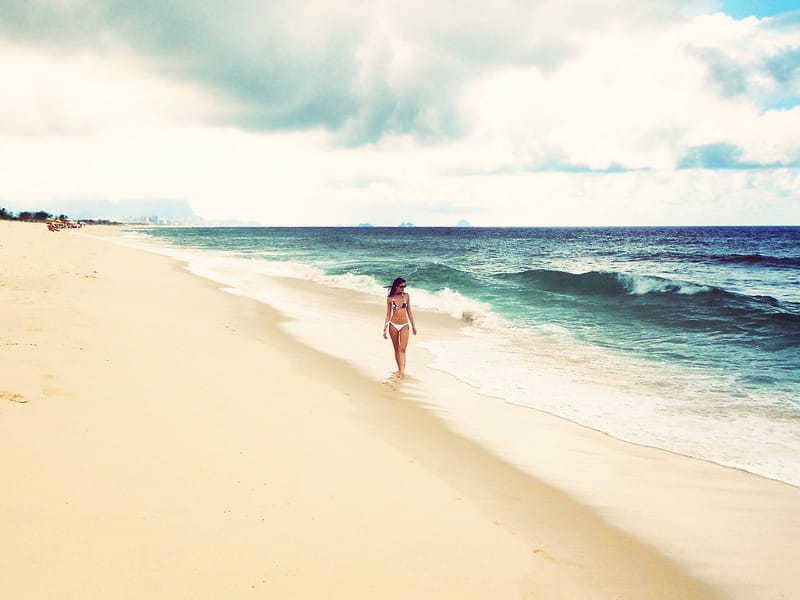
Praia da Reserva, between Barra da Tijuca and Recreio, is a quiet and clean spot, ideal for those looking for peace and nature.
Stretching about 8 km, it is protected by the Marapendi Environmental Reserve, preserving its natural landscapes and peaceful atmosphere.
Free from high-rise buildings and with only a few kiosks, the beach maintains its natural charm. The best kiosks are located at the ends, while the central stretch remains almost deserted, attracting visitors who prefer to avoid crowds.
Even on weekends, the beach is rarely crowded, partly due to limited parking. Access is easiest by car, taxi, or Uber, and it’s advisable to arrive early on busy days.
The ocean here is rough, with strong currents and rip tides, so caution is necessary. Even so, the water is clean and blue, adding to the beautiful scenery.
As a conservation area, the beach has no streetlights, becoming quite dark after sunset, so it’s recommended to leave by dusk.
With few vendors and limited infrastructure in the more preserved areas, visitors should bring water and food if planning to explore beyond the kiosks. The area is notably safe, offering peace of mind for those who visit.
Although it’s not a designated nudist beach, it’s not uncommon to see people sunbathing topless or nude in the more secluded areas.
14. Recreio Beach
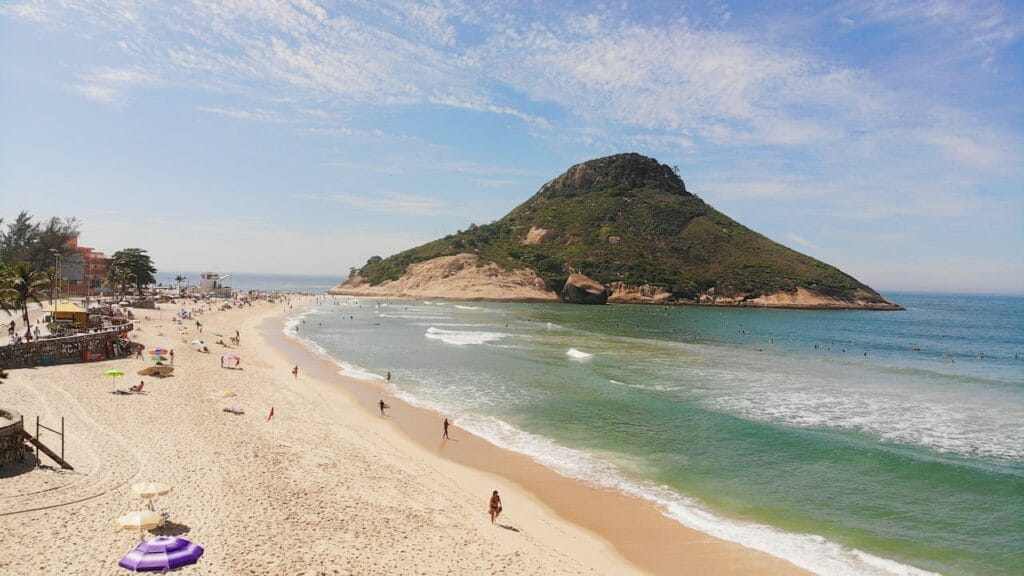
Recreio Beach, also called Praia dos Bandeirantes, is near Barra da Tijuca and offers a spacious, calm setting. It’s popular with surfers and families, with over 2 km of clear sand and clean water, making it one of the most pleasant spots in Rio’s West Zone.
The kiosks along the boardwalk provide a good variety of snacks and drinks, making it an ideal place to spend the day.
During the week, the beach is quieter and mostly frequented by locals, while weekends bring larger crowds, and space on the sand can become competitive. Parking is easier here than at many other beaches, but arriving early is always a good idea.
The water is clear and inviting, with moderate waves that appeal to both swimmers and surfers. However, it’s important to watch out for rip currents, which can be strong at times.
Walking along the shore to Pedra do Pontal (Pontal Rock) is a must, offering great views and the chance to witness special moments, like beach weddings.
The landscape is dominated by the Pedra do Pontal, located at the far right of the beach. This rock formation connects to the ocean via a narrow strip of sand, creating two small coves that add to the beach’s charm.
For adventurers, climbing the rock is a rewarding experience, with amazing views of the coastline that make the visit unforgettable.
15. Macumba Beach
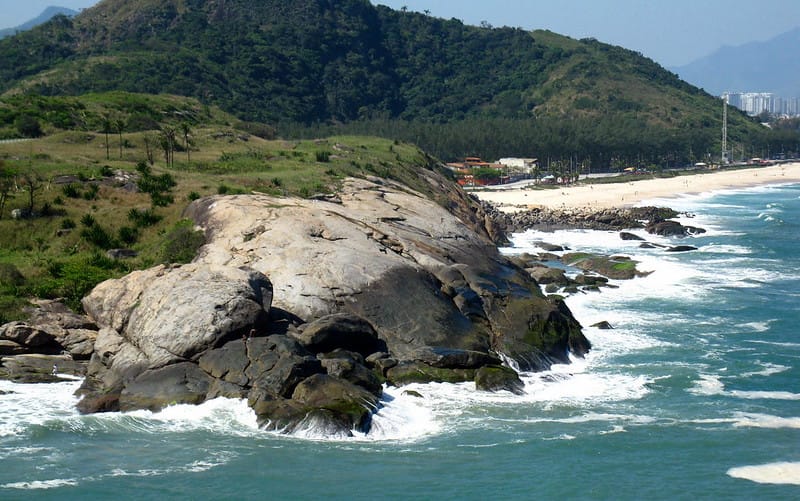
Macumba Beach, near Recreio, is a popular spot for surfers thanks to its consistent and powerful waves, making it ideal for the sport.
Stretching 1.3 km, the beach combines a wide sandy shore with a beautiful backdrop of mountains and rich vegetation, offering a close connection to nature.
While it’s quieter during the week, weekends draw larger crowds of visitors. The area has good infrastructure, with kiosks, bars, and restaurants that provide plenty of options for those looking to spend the day by the sea.
The bike path and sidewalk along the shore are perfect for walks and bike rides, while the view from Pedra da Macumba (Macumba Rock) is a must-see, offering a viewpoint and photo opportunities.
The open sea, with high waves on certain days, requires caution for swimmers.
The sunset at Macumba Beach is special, adding to the peaceful atmosphere for those who want to enjoy nature’s beauty away from the hustle and bustle of the city center.
Arriving early is recommended, especially on busy days, to secure parking and make the most of it.
16. Prainha
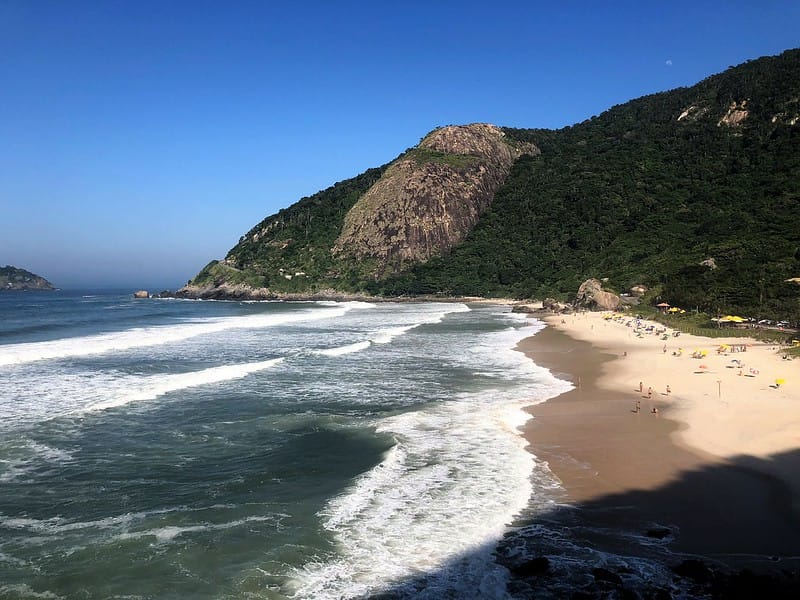
Prainha, located in Rio de Janeiro’s West Zone near Macumba Beach, is one of the city’s most preserved and paradisiacal destinations.
With just 700 meters of shoreline, this narrow stretch of sand is surrounded by the Atlantic Forest and protected as an environmental preservation area.
Famous among surfers, Prainha boasts waves that can reach up to 3 meters on special days. The left side of the beach is a favorite for surfing, while the right side, shaded by trees, attracts families.
While the ocean is rough in many areas, there are calmer spots for those who want to swim and relax.
The infrastructure is limited, with only a few kiosks offering good service and a comfortable experience, and there are virtually no beach vendors.
The beach is safe and exceptionally clean, but arriving early is recommended, especially in the summer, as parking is limited and the sun dips behind the mountains by mid-afternoon, shortening beach time.
Beyond the natural beauty of Prainha, the surrounding Parque Natural Municipal da Prainha offers trails and lookouts, like the Mirante do Caeté, which provides views of the beach and its surroundings.
With no public transportation access, the best way to visit is by car or taxi, and planning ahead is essential due to the lack of cell service in the area.
17. Grumari Beach

Grumari Beach, located near Prainha, is a natural refuge surrounded by lush vegetation within an environmental preservation area.
Stretching nearly 3 km, its wide sandy shore, clear waters, and lack of buildings make it a peaceful spot for those looking to enjoy nature.
Access to Grumari is only possible by car, taxi, or Uber, as there’s no public transportation in the area. The beach has a single entry road, and during weekends and holidays, especially in the summer, it can get very crowded.
Arriving early is recommended to avoid traffic and secure parking, as access may be restricted once the area reaches capacity.
The infrastructure is limited, but a few kiosks on the right side offer snacks, meals, and showers. Still, it’s a good idea to bring your own food, drinks, and essentials to fully enjoy your day.
The ocean is perfect for surfers, with strong waves along most of the beach, while the right-hand side features calmer waters with natural pools ideal for children.
Grumari shares the same vibe as Prainha, with a landscape that feels far removed from the city. Even the drive there is a highlight, with a road that’s worth the trip on its own.
18. Abricó Beach
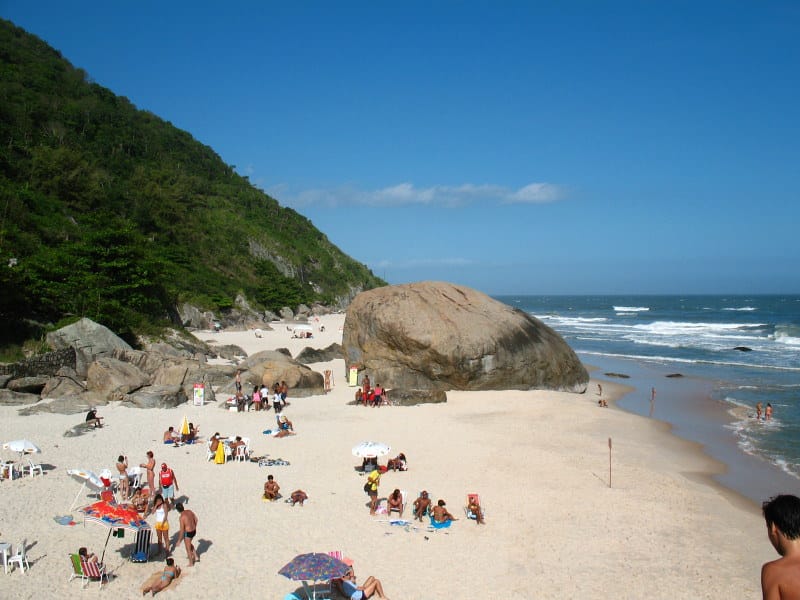
Abricó Beach, in Grumari, is the only official naturist beach in Rio de Janeiro, providing a private and natural setting.
Surrounded by vegetation, rocks, and clear waters, the beach is 800 meters long, with 250 meters reserved for naturism, especially on weekends and holidays.
It is managed by the Associação Naturista Abricó (ANA), which promotes respect, education, and naturist principles for a peaceful and inclusive atmosphere.
Access to the beach is relatively easy, though it’s hidden from the road in a forested area. Upon arrival, there’s an initial section near the parking area where nudity is not permitted, making it ideal for those who prefer to enjoy the sea in a conventional way.
The naturist area begins after a sign indicating the start of the designated zone. Infrastructure is limited, with only a few stalls selling drinks and renting chairs and umbrellas.
There are no boardwalks or public lighting, so caution is needed when walking or driving, particularly after dark. Planning to leave at sunset, while there’s still natural light, is strongly recommended.
The environment is safe, with the presence of the Naturist Association ensuring adherence to rules and fostering a calm, respectful atmosphere.
Conclusion: Best Beaches in Rio de Janeiro
Rio de Janeiro offers a variety of beaches for all kinds of travelers. From the busy Copacabana and Ipanema to the quiet Prainha and Grumari, there is something for everyone.
Whether you want to surf, relax, or explore, this guide helps you find the right beach. Enjoy your trip and respect the environment to make the most of your visit.